Sprache wählen | Choose language | Kies een taal
Deutsch
Songtext
Hold the Rudder Steady
Verse 1
Out on the water, the wild wind blows,
Where the lake is wide and the current flows.
A steady hand, a steady keel,
It’s not my power, but the trust I feel.
Chorus
Hold the rudder, keep the compass in view,
I don’t have to sail these waters without You.
When the sail falls empty, not a breath around,
It’s just the turn, and the wind comes round.
I am not alone in the boat.
Verse 2
I don’t force the course or drift away,
Through the fog where I cannot see the bay.
Every turn I take, Your hand in mine,
Your wind fills the sails in Your own time.
Chorus
Hold the rudder, keep the compass in view,
I don’t have to sail these waters without You.
When the sail falls empty, not a breath around,
It’s just the turn, and the wind comes round.
I am not alone in the boat.
Bridge
Be strong, be brave, through every gale,
The compass guides where sight will fail.
Quiet inside, though the tempest is loud,
Steering by grace beneath the cloud.
Chorus
Hold the rudder, keep the compass in view,
I don’t have to sail these waters without You.
When the sail falls empty, not a breath around,
It’s just the turn, and the wind comes round.
I am not alone in the boat.
Outro
I am not alone…
Holding firm,
In the boat with You.
Teil 1: Mut
Letztens war ich zum ersten Mal auf einem Segelboot. Eine wunderbare und spannende Erfahrung! Es war sehr windig, mit ziemlich heftigen Böen, aber gerade noch machbar, ohne dass es gefährlich wurde. Man konnte sehr gut das Zusammenspiel zwischen Mensch, Boot und Wind beobachten. Ruhige Momente gab es kaum, ständig musste nachgesteuert werden, um den Wind optimal zu nutzen.
Ein Segelboot wird mit einem kleinen Ruder gesteuert, und dieses kleine Ruder entscheidet, wohin das ganze Boot fährt. In diesem Bild nennen wir das Ruder „Mut“. Lässt man das Ruder „Mut“ los, übernimmt der Wind. Das Boot dreht sich, treibt ab und fährt in die falsche Richtung. Diese Richtung nennen wir „Entmutigung“, weil man die Orientierung völlig verliert.
Reißt man das Ruder dagegen hart herum, weil man meint, mit Kraft alles im Griff zu haben, passiert das Gegenteil. Das Wasser reißt am Ruderblatt ab, das Boot wird langsamer und lässt sich kaum noch steuern. Das nennen wir „Übermut“. Man will zu schnell zu viel und verliert dabei die Kontrolle.
Mut heißt, das Ruder mit ruhiger Hand zu halten. Fest, ohne zu verkrampfen, und immer wieder ein kleines Stück korrigieren. So bleibt das Boot auf Kurs, auch wenn man das Ziel noch nicht sieht.
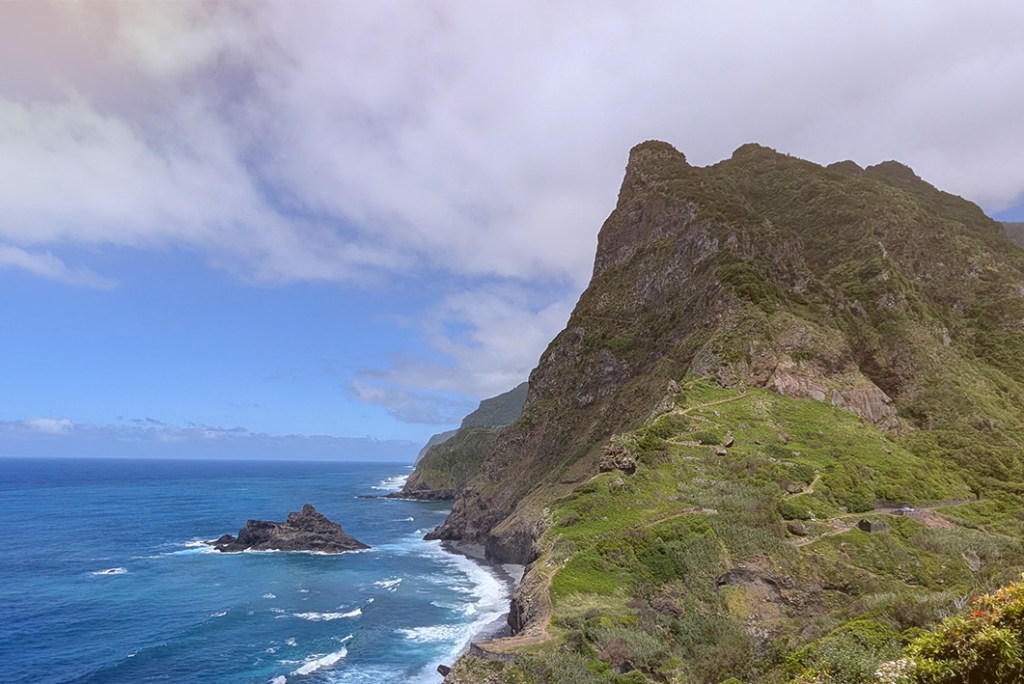
Ich stehe gerade vor einer großen beruflichen Herausforderung: einem Schritt nach oben auf der Karriereleiter. Neue Verantwortung, neue Aufgaben, vieles, was ich noch nicht kenne. Dieser Schritt erfordert Mut. Aber manchmal kommt ein starker Windstoß, und das Ruder fliegt mir aus der Hand. Dann kommt die Entmutigung. Schaffe ich das? Wie wird es gehen? Was kommt alles auf mich zu? (Der Berg aus meinem letzten Blogbeitrag.) Bin ich mutig, weise, klug, stark genug? Fragen über Fragen. Fragezeichen, die mir nicht weiterhelfen. Und ich merke, dass ich beide Richtungen kenne: die Angst, nicht zu genügen, und den Drang, allen zu beweisen, dass ich es kann.
Nein, ich kann nicht weiter schauen als bis zu dem, was direkt vor mir liegt. Aber woran orientiere ich mich dann? Und du? Stehst du gerade auch vor einer Herausforderung, die du nicht überblicken kannst?
Gehen wir noch einmal zurück zum Segelboot. Oben am Mast sitzt ein kleiner Pfeil, der Verklicker. Links und rechts von ihm sitzen zwei feste Zeiger, die einen Winkel bilden. Der Pfeil zeigt, woher der Wind kommt, die Zeiger zeigen, wohin man nicht fahren kann. Zeigt der Pfeil in diesen Winkel hinein, fährt man zu direkt gegen den Wind. Man kommt nicht voran, das Segel flattert, und das Boot bleibt irgendwann stehen. So geht es mir auch, wenn ich gegen Umstände ankämpfe, die ich nicht ändern kann. Ich verbrauche viel Kraft und komme keinen Meter weiter.
Liegt das Ziel genau dort, wo der Wind herkommt, kann man nicht einfach geradeaus darauf zufahren. Man muss kreuzen, das heißt im Zickzack fahren: ein Stück schräg nach links, dann ein Stück schräg nach rechts. Der Moment, in dem man die Seite wechselt, heißt Wende. Dann zeigt das Boot kurz genau in den Wind, das Segel flattert kraftlos, und es fühlt sich an, als ginge gar nichts mehr. Doch dann füllt sich das Segel auf der anderen Seite wieder mit Wind, und das Boot fährt weiter. Es sieht aus wie ein Umweg, aber genau so kommt man ans Ziel.
Wer den Verklicker lesen kann, findet auch den Kurs, auf dem man mit dem Wind fährt. Und dann wird es auf einmal still an Bord. Der Wind kann noch so stark und laut sein und einem um die Ohren pfeifen: Wenn Richtung und Geschwindigkeit stimmen und alles zusammenpasst, wird es still. Und man kommt gut voran. Das erlebe ich auch, wenn ich aufhöre, gegen alles anzukämpfen, und Gott die Richtung überlasse. Die Umstände bleiben laut, aber in mir wird es ruhig.
Um Kurs zu halten und gut voranzukommen, ist es also wichtig, dass man sich richtig orientiert. Was ist deine Orientierung? Wie bestimmst du deinen Kurs, deine Geschwindigkeit, deine Richtung?
Der Verklicker zeigt mir, was der Wind gerade tut. Aber er sagt mir nicht, wo mein Ziel liegt. Dafür braucht man etwas, das sich nicht mit jedem Windstoß dreht. Ein Kompass zeigt die Richtung. Mein Kompass ist Jesus. Ich kann mich darauf verlassen, dass Er mich in die Richtung schickt, in der mein Ziel liegt. Gerade sehe ich nur die Herausforderung, das Ziel selbst kann ich noch nicht erkennen. Es ist wie eine Nebelbank, die plötzlich auf dem Meer heranzieht. Im Nebel siehst du keine Küste und keine Bojen mehr. Dann hilft nur noch der Kompass.
Wie ich diesen Kompass lese, lerne ich in der Bibel. Sie drückt mich nicht in irgendeine Richtung. Wohin ich gehe, entscheide ich selbst. Aber in ihr lerne ich Gott kennen als einen liebevollen Vater, der mich dorthin führen möchte, wo Er mich haben will.
Woher nehme ich also den Mut? Gott sagt zu Josua, kurz bevor dieser ein ganzes Volk in ein unbekanntes Land führen soll:
„Sei mutig und stark! Hab keine Angst und verliere nicht den Mut, denn der Herr, dein Gott, ist bei dir, wohin du auch gehst.“ Josua 1,9
Gott sagt nicht: Du schaffst das, weil du so stark bist. Er sagt: Ich gehe mit. Der Mut muss also nicht aus mir kommen. Er kommt daher, dass ich nicht allein im Boot sitze.
Und wenn das Segel flattert und scheinbar nichts mehr geht, denke ich an die Wende. Dieser Moment gehört zum Weg dazu. Gleich danach füllt sich das Segel wieder mit Wind.
Wohin lenke ich mein Ruder? Mache ich alles allein und steuere Richtung Übermut? Oder habe ich Angst vor dem, was auf mich zukommt, und fahre Richtung Entmutigung? Oder halte ich das Ruder fest, habe meinen Kompass in der Hand und achte auf die Windrichtung?
Du bist nicht allein auf deiner Suche nach Mut. Oft wissen wir nicht, was vor uns liegt und wo das Ziel genau ist. Und es braucht Mut, trotzdem Schritte zu gehen. Aber was, wenn du keine Kraft mehr hast? Was dann? Darüber möchte ich nächstes Mal mit euch nachdenken: von Entmutigung zu Ermutigung, mit einem Gott, der dich sieht.
Werkzeuge für unterwegs: Mut, wenn du nicht weit sehen kannst
Mut ist wie ein Ruder, das man mit ruhiger Hand hält. Lässt man es los, treibt man in die Entmutigung. Reißt man es herum, landet man im Übermut. Diese Werkzeuge helfen mir, auf Kurs zu bleiben, auch wenn ich nur den nächsten Schritt sehe.
- Den nächsten Schritt aufschreiben. Nicht den ganzen Weg, sondern nur das, was diese Woche dran ist: eine Entscheidung, ein Gespräch, eine Aufgabe.
- Den Wind beim Namen nennen. Ich schreibe meine Sorgen so ehrlich wie möglich auf und bete darüber. „Alle eure Sorge werft auf ihn, denn er sorgt für euch.“ (1. Petrus 5,7) Was ausgesprochen ist, verliert oft etwas von seiner Macht.
- Auf meine Worte achten. In Jakobus 3,4 steht, dass selbst große Schiffe, die von starken Winden getrieben werden, von einem kleinen Ruder gelenkt werden. Jakobus meint damit unsere Worte. Was ich mir selbst sage, lenkt mich. „Das schaffe ich nie“ steuert Richtung Entmutigung. „Ich schaffe das alleine“ steuert Richtung Übermut. „Gott geht mit, ich gehe den nächsten Schritt“ hält mich auf Kurs.
- Um Weisheit bitten. Ich muss nicht schon alles wissen. „Wenn es jemandem unter euch an Weisheit fehlt, soll er Gott darum bitten, der sie jedem gerne gibt.“ (Jakobus 1,5)
- Jeden Tag auf den Kompass schauen. Morgens ein kurzer Bibeltext, bevor der Tag losgeht. Nicht viel, aber regelmäßig.
- Reffen, also das Segel verkleinern, wenn es zu viel wird. Um Hilfe bitten, eine Pause machen, zugeben, dass ich etwas nicht allein schaffe. Das ist kein Aufgeben, sondern Demut.
- Nicht allein segeln. Einem Menschen, dem ich vertraue, erzählen, was vor mir liegt, und ihn bitten, für mich zu beten.
Wenn das Segel flattert und scheinbar nichts mehr geht, gehört auch das zum Weg. Gleich danach füllt es sich wieder.
English
Lyrics
Hold the Rudder Steady
Verse 1
Out on the water, the wild wind blows,
Where the lake is wide and the current flows.
A steady hand, a steady keel,
It’s not my power, but the trust I feel.
Chorus
Hold the rudder, keep the compass in view,
I don’t have to sail these waters without You.
When the sail falls empty, not a breath around,
It’s just the turn, and the wind comes round.
I am not alone in the boat.
Verse 2
I don’t force the course or drift away,
Through the fog where I cannot see the bay.
Every turn I take, Your hand in mine,
Your wind fills the sails in Your own time.
Chorus
Hold the rudder, keep the compass in view,
I don’t have to sail these waters without You.
When the sail falls empty, not a breath around,
It’s just the turn, and the wind comes round.
I am not alone in the boat.
Bridge
Be strong, be brave, through every gale,
The compass guides where sight will fail.
Quiet inside, though the tempest is loud,
Steering by grace beneath the cloud.
Chorus
Hold the rudder, keep the compass in view,
I don’t have to sail these waters without You.
When the sail falls empty, not a breath around,
It’s just the turn, and the wind comes round.
I am not alone in the boat.
Outro
I am not alone…
Holding firm,
In the boat with You.
Taking Steps Without Knowing What Comes Next
Part 1: Courage
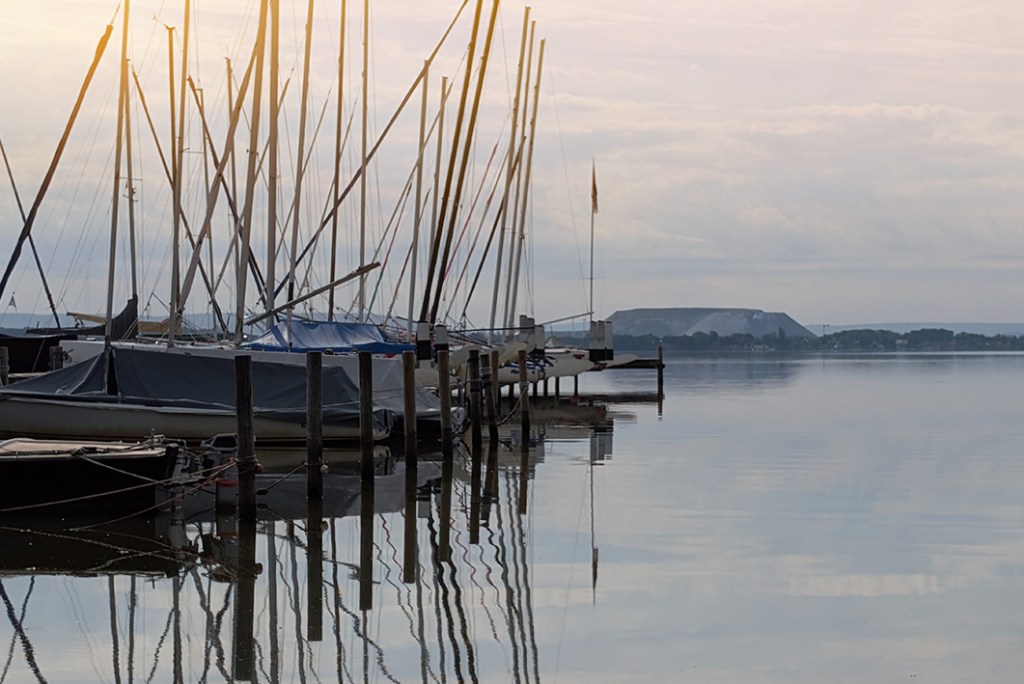
Recently I was on a sailboat for the very first time. What a wonderful and exciting experience! It was very windy, with some pretty strong gusts, but still manageable without becoming dangerous. You could really see the interplay between people, boat and wind. There were hardly any quiet moments. We constantly had to adjust the steering to make the most of the wind.
A sailboat is steered by a small rudder, and this small rudder decides where the whole boat goes. In this picture, we’ll call the rudder “Courage”. If you let go of the rudder “Courage”, the wind takes over. The boat turns, drifts off and heads in the wrong direction. We’ll call this direction “Discouragement”, because you completely lose your bearings.
If, on the other hand, you yank the rudder hard because you think you can control everything with force, the opposite happens. The water stops flowing smoothly around the rudder blade, the boat slows down and becomes hard to steer. We’ll call this “Overconfidence”. You want too much, too fast, and lose control in the process.
Courage means holding the rudder with a steady hand. Firmly, without tensing up, and correcting a little bit at a time. That’s how the boat stays on course, even when you can’t see the destination yet.
Right now I’m facing a big professional challenge: a step up the career ladder. New responsibilities, new tasks, a lot of things I don’t know yet. This step takes courage. But sometimes a strong gust comes along and the rudder is knocked out of my hand. That’s when discouragement sets in. Can I do this? How will it go? What’s coming my way? (The mountain from my last blog post.) Am I brave, wise, smart, strong enough? Questions upon questions. Question marks that don’t help me move forward. And I notice that I know both directions: the fear of not being good enough, and the urge to prove to everyone that I can do it.
No, I can’t see any further than what’s right in front of me. So what do I use to find my way? And you? Are you facing a challenge right now that you can’t see the end of?
Let’s go back to the sailboat. At the top of the mast sits a small arrow, the wind indicator. On its left and right are two fixed pointers that form an angle. The arrow shows where the wind is coming from, the pointers show where you can’t sail. If the arrow points into that angle, you’re heading too directly into the wind. You make no progress, the sail flaps, and eventually the boat comes to a stop. It’s the same for me when I fight against circumstances I can’t change. I use up a lot of energy and don’t move an inch.
If your destination lies exactly where the wind is coming from, you can’t just sail straight towards it. You have to tack, which means sailing in a zigzag: a stretch diagonally to the left, then a stretch diagonally to the right. The moment you switch sides is called the turn. For a brief moment the boat points straight into the wind, the sail flaps limply, and it feels as if nothing is working anymore. But then the sail fills with wind again on the other side, and the boat sails on. It looks like a detour, but that’s exactly how you reach your destination.
If you know how to read the wind indicator, you can also find the course where you sail with the wind. And then, suddenly, it becomes quiet on board. The wind can be as strong and loud as it likes and whistle around your ears: when direction and speed are right and everything fits together, it goes quiet. And you make good progress. I experience this too when I stop fighting everything and leave the direction to God. The circumstances stay loud, but inside me it becomes calm.
So to stay on course and make good progress, it’s important to have the right orientation. What guides you? How do you set your course, your speed, your direction?
The wind indicator shows me what the wind is doing right now. But it doesn’t tell me where my destination is. For that, you need something that doesn’t turn with every gust. A compass shows the direction. My compass is Jesus. I can rely on Him to send me in the direction where my destination lies. Right now I only see the challenge. I can’t make out the destination yet. It’s like a fog bank suddenly rolling in over the sea. In the fog you can no longer see the coast or the buoys. Then only the compass can help.
I learn how to read this compass in the Bible. It doesn’t push me in any particular direction. Where I go is my own decision. But in it I get to know God as a loving Father who wants to lead me to where He wants me to be.
So where do I get the courage from? Just before Joshua is to lead an entire people into an unknown land, God says to him:
“Be strong and courageous. Do not be afraid; do not be discouraged, for the Lord your God will be with you wherever you go.” Joshua 1:9
God doesn’t say: You can do this because you’re so strong. He says: I’m coming with you. So the courage doesn’t have to come from me. It comes from knowing that I’m not alone in the boat.
And when the sail flaps and nothing seems to work anymore, I think of the turn. That moment is part of the journey. Right after it, the sail fills with wind again.
Where am I steering my rudder? Am I doing everything on my own and heading towards overconfidence? Or am I afraid of what’s coming and drifting towards discouragement? Or am I holding the rudder firmly, with my compass in hand, paying attention to the wind?
You’re not alone in your search for courage. Often we don’t know what lies ahead or exactly where the destination is. And it takes courage to keep taking steps anyway. But what if you have no strength left? What then? That’s what I’d like to reflect on with you next time: from discouragement to encouragement, with a God who sees you.
Tools for the Journey: Courage When You Can’t See Far Ahead
Courage is like a rudder you hold with a steady hand. If you let go, you drift into discouragement. If you yank it around, you end up in overconfidence. These tools help me stay on course, even when I can only see the next step.
- Write down the next step. Not the whole journey, just what’s on the agenda this week: a decision, a conversation, a task.
- Call the wind by its name. I write down my worries as honestly as I can and pray about them. “Cast all your anxiety on him because he cares for you.” (1 Peter 5:7) Once something is spoken out loud, it often loses some of its power.
- Watch my words. James 3:4 says that even large ships, driven by strong winds, are steered by a very small rudder. James is talking about our words. What I tell myself steers me. “I’ll never manage this” steers towards discouragement. “I can do this on my own” steers towards overconfidence. “God is with me, I’ll take the next step” keeps me on course.
- Ask for wisdom. I don’t have to know everything already. “If any of you lacks wisdom, you should ask God, who gives generously to all without finding fault, and it will be given to you.” (James 1:5)
- Check the compass every day. A short Bible passage in the morning before the day begins. Not much, but regularly.
- Reef the sail, meaning make it smaller, when things get too much. Ask for help, take a break, admit that I can’t do something on my own. That’s not giving up, it’s humility.
- Don’t sail alone. Tell someone I trust what’s ahead of me and ask them to pray for me.
When the sail flaps and nothing seems to work anymore, that’s part of the journey too. Right after, it fills again.
Nederlands
Songtekst
Hold the Rudder Steady
Verse 1
Out on the water, the wild wind blows,
Where the lake is wide and the current flows.
A steady hand, a steady keel,
It’s not my power, but the trust I feel.
Chorus
Hold the rudder, keep the compass in view,
I don’t have to sail these waters without You.
When the sail falls empty, not a breath around,
It’s just the turn, and the wind comes round.
I am not alone in the boat.
Verse 2
I don’t force the course or drift away,
Through the fog where I cannot see the bay.
Every turn I take, Your hand in mine,
Your wind fills the sails in Your own time.
Chorus
Hold the rudder, keep the compass in view,
I don’t have to sail these waters without You.
When the sail falls empty, not a breath around,
It’s just the turn, and the wind comes round.
I am not alone in the boat.
Bridge
Be strong, be brave, through every gale,
The compass guides where sight will fail.
Quiet inside, though the tempest is loud,
Steering by grace beneath the cloud.
Chorus
Hold the rudder, keep the compass in view,
I don’t have to sail these waters without You.
When the sail falls empty, not a breath around,
It’s just the turn, and the wind comes round.
I am not alone in the boat.
Outro
I am not alone…
Holding firm,
In the boat with You.
Stappen zetten zonder te weten wat er komt
Deel 1: Moed
Laatst was ik voor het eerst op een zeilboot. Wat een prachtige en spannende ervaring! Het waaide flink, met behoorlijk harde windvlagen, maar het was nog net te doen zonder dat het gevaarlijk werd. Je kon heel goed zien hoe mens, boot en wind op elkaar inspelen. Rustige momenten waren er nauwelijks. Er moest steeds worden bijgestuurd om de wind zo goed mogelijk te benutten.
Een zeilboot wordt bestuurd met een klein roer, en dat kleine roer bepaalt waar de hele boot naartoe gaat. In dit beeld noemen we het roer ‘Moed’. Laat je het roer ‘Moed’ los, dan neemt de wind het over. De boot draait, raakt uit koers en vaart de verkeerde kant op. Die richting noemen we ‘Ontmoediging’, omdat je elk gevoel van richting kwijtraakt.
Trek je het roer daarentegen hard om, omdat je denkt dat je met kracht alles onder controle hebt, dan gebeurt het tegenovergestelde. Het water laat los van het roerblad, de boot gaat langzamer en is bijna niet meer te sturen. Dat noemen we ‘Overmoed’. Je wilt te veel, te snel, en verliest daarbij de controle.
Moed betekent het roer met een rustige hand vasthouden. Stevig, zonder te verkrampen, en steeds een klein beetje bijsturen. Zo blijft de boot op koers, ook als je de bestemming nog niet ziet.
Ik sta op dit moment voor een grote uitdaging in mijn werk: een stap omhoog op de carrièreladder. Nieuwe verantwoordelijkheden, nieuwe taken, veel wat ik nog niet ken. Deze stap vraagt moed. Maar soms komt er een harde windvlaag en vliegt het roer me uit handen. Dan slaat de ontmoediging toe. Kan ik dit wel? Hoe gaat het worden? Wat komt er allemaal op me af? (De berg uit mijn vorige blog.) Ben ik moedig, wijs, slim, sterk genoeg? Vragen, vragen, vragen. Vraagtekens waar ik niets mee opschiet. En ik merk dat ik beide richtingen ken: de angst om niet goed genoeg te zijn, en de drang om iedereen te bewijzen dat ik het kan.
Nee, ik kan niet verder kijken dan wat er direct voor me ligt. Maar waar oriënteer ik me dan op? En jij? Sta jij op dit moment ook voor een uitdaging die je niet kunt overzien?
Laten we nog even teruggaan naar de zeilboot. Boven in de mast zit een klein pijltje, de windvaan. Links en rechts ervan zitten twee vaste wijzers die samen een hoek vormen. Het pijltje laat zien waar de wind vandaan komt, de wijzers laten zien waar je niet naartoe kunt varen. Wijst het pijltje binnen die hoek, dan vaar je te recht tegen de wind in. Je komt niet vooruit, het zeil klappert en uiteindelijk ligt de boot stil. Zo gaat het bij mij ook als ik vecht tegen omstandigheden die ik niet kan veranderen. Het kost me veel energie en ik kom geen meter verder.
Ligt je bestemming precies waar de wind vandaan komt, dan kun je er niet zomaar recht op af varen. Je moet laveren, dat wil zeggen zigzaggend varen: een stuk schuin naar links, dan een stuk schuin naar rechts. Het moment waarop je van kant wisselt, heet overstag gaan. Heel even wijst de boot dan recht in de wind, het zeil klappert slap en het voelt alsof er niets meer lukt. Maar dan vult het zeil zich aan de andere kant weer met wind, en vaart de boot verder. Het lijkt een omweg, maar juist zo kom je op je bestemming.
Wie de windvaan kan lezen, vindt ook de koers waarop je met de wind mee vaart. En dan wordt het ineens stil aan boord. De wind kan nog zo hard en luid zijn en om je oren fluiten: als richting en snelheid kloppen en alles samenvalt, wordt het stil. En je komt goed vooruit. Dat ervaar ik ook als ik ophoud overal tegen te vechten en de richting aan God overlaat. De omstandigheden blijven luid, maar vanbinnen word ik rustig.
Om op koers te blijven en goed vooruit te komen, is het dus belangrijk dat je je goed oriënteert. Waar oriënteer jij je op? Hoe bepaal jij je koers, je snelheid, je richting?
De windvaan laat me zien wat de wind op dit moment doet. Maar hij vertelt me niet waar mijn bestemming ligt. Daarvoor heb je iets nodig dat niet met elke windvlaag meedraait. Een kompas wijst de richting. Mijn kompas is Jezus. Ik kan erop vertrouwen dat Hij me de kant op stuurt waar mijn bestemming ligt. Op dit moment zie ik alleen de uitdaging, de bestemming zelf kan ik nog niet zien. Het is als een mistbank die plotseling over zee komt aanrollen. In de mist zie je geen kust en geen boeien meer. Dan helpt alleen nog het kompas.
Hoe ik dit kompas moet lezen, leer ik in de Bijbel. Die duwt me niet een bepaalde kant op. Waar ik heen ga, kies ik zelf. Maar in de Bijbel leer ik God kennen als een liefdevolle Vader die me wil leiden naar de plek waar Hij me wil hebben.
Waar haal ik die moed dan vandaan? Vlak voordat Jozua een heel volk een onbekend land in moet leiden, zegt God tegen hem:
“Wees sterk en moedig! Wees niet bang en laat je niet ontmoedigen, want de HEER, je God, is bij je, waar je ook gaat.” Jozua 1:9
God zegt niet: je kunt het omdat je zo sterk bent. Hij zegt: Ik ga met je mee. De moed hoeft dus niet uit mezelf te komen. Die komt uit het besef dat ik niet alleen in de boot zit.
En als het zeil klappert en er niets meer lijkt te lukken, denk ik aan het overstag gaan. Dat moment hoort bij de weg. Direct daarna vult het zeil zich weer met wind.
Welke kant stuur ik mijn roer op? Doe ik alles alleen en stuur ik richting overmoed? Of ben ik bang voor wat er op me afkomt en drijf ik af richting ontmoediging? Of houd ik het roer stevig vast, met mijn kompas in de hand, en let ik op de windrichting?
Je bent niet alleen in je zoektocht naar moed. Vaak weten we niet wat er voor ons ligt en waar de bestemming precies is. En het vraagt moed om toch stappen te blijven zetten. Maar wat als je geen kracht meer hebt? Wat dan? Daar wil ik de volgende keer samen met jullie over nadenken: van ontmoediging naar bemoediging, met een God die jou ziet.
Gereedschap voor onderweg: moed als je niet ver vooruit kunt kijken
Moed is als een roer dat je met een rustige hand vasthoudt. Laat je het los, dan drijf je af naar ontmoediging. Trek je het om, dan beland je in overmoed. Deze hulpmiddelen helpen me om op koers te blijven, ook als ik alleen de volgende stap zie.
- De volgende stap opschrijven. Niet de hele weg, alleen wat er deze week op de planning staat: een beslissing, een gesprek, een taak.
- De wind bij naam noemen. Ik schrijf mijn zorgen zo eerlijk mogelijk op en bid erover. ‘Laat al je zorgen aan hem over, want hij zorgt voor jullie.’ (1 Petrus 5:7) Wat uitgesproken is, verliest vaak iets van zijn macht.
- Op mijn woorden letten. In Jakobus 3:4 staat dat zelfs grote schepen, die door harde wind worden voortgedreven, met een heel klein roer worden gestuurd. Jakobus bedoelt daarmee onze woorden. Wat ik tegen mezelf zeg, stuurt me. ‘Dat lukt me nooit’ stuurt richting ontmoediging. ‘Dat kan ik wel alleen’ stuurt richting overmoed. ‘God gaat met me mee, ik zet de volgende stap’ houdt me op koers.
- Om wijsheid vragen. Ik hoef niet alles al te weten. ‘Als het iemand van jullie aan wijsheid ontbreekt, moet hij God erom vragen, want God geeft iedereen graag.’ (Jakobus 1:5)
- Elke dag op het kompas kijken. ‘s Ochtends een korte Bijbeltekst voordat de dag begint. Niet veel, maar wel regelmatig.
- Reven, dus het zeil kleiner maken, als het te veel wordt. Om hulp vragen, een pauze nemen, toegeven dat ik iets niet alleen kan. Dat is geen opgeven, maar nederigheid.
- Niet alleen zeilen. Iemand die ik vertrouw vertellen wat er voor me ligt, en diegene vragen voor me te bidden.
Als het zeil klappert en er niets meer lijkt te lukken, hoort ook dat bij de weg. Direct daarna vult het zich weer.
Text & Image: Sandra Charmant




Leave a comment